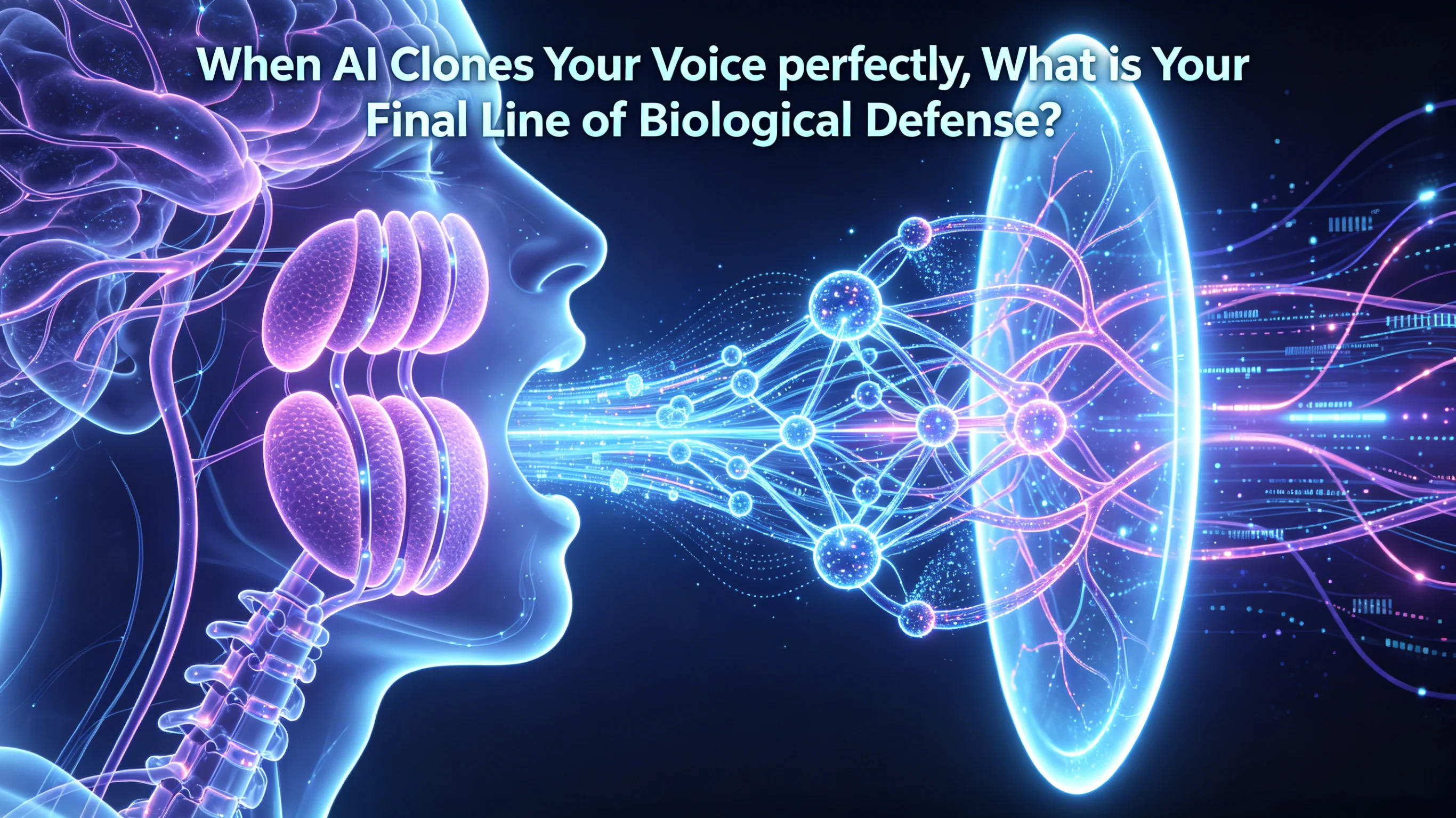
Let’s cut straight to the weird, sleepless thought that’s been bouncing around my head lately: It’s genuinely unsettling hearing an AI mimic your tone, your phrasing, even the little verbal quirks you didn’t know you had. One minute you’re messing around with a voice clone tool for a silly side project, the next you’re listening to a digital version of yourself talk like it’s looking right through you. For every creator, designer, or solo founder pouring pieces of their soul into their work, this isn’t just a tech trend—it’s a quiet existential twinge. If a machine can copy my voice, my writing style, my creative cadence… what part of me is actually irreplaceable?
I’ve spent the past few weeks tangled up in this question, pulling late nights testing AI voice tools, scrolling through creator forums, and having half-random coffee chats with other solo builders who feel the same unspoken unease. I watched a fellow indie maker generate a full podcast script and voiceover using his own cloned voice in under ten minutes. The audio was eerily spot-on: the slight pause mid-sentence when I’m thinking, the casual laugh I toss in after a joke, even the soft tone I use when I’m giving genuine advice. For a second, he stared at his screen and said exactly what I was thinking: “If this can sound like me, why would anyone listen to the real me anymore?”
That doubt stuck with me hard. As solo creators, we don’t have big teams or brand names to hide behind. Our work is us. Our voice—whether spoken, written, or designed—is how we connect with the people who follow us, buy our products, and trust our perspective. I’ve had my fair share of creative ruts over the years: days where I stare at a blank page for hours, convinced my ideas are generic, weeks where I second-guess every word I put out. This AI voice cloning wave amplified that noise tenfold. I started overthinking every piece of content I made. Why record a voice note when AI can do it faster? Why draft a heartfelt update when a clone can replicate my tone? I caught myself rushing work, trying to “outpace” the AI by churning out more content, only to burn out faster than ever.
I experimented with leaning into the clone too. I used it for quick social clips and routine updates, thinking it would free up my time for bigger, better creative work. But instead of feeling liberated, I felt disconnected. Those AI-generated lines sounded like me, but they lacked weight. They didn’t carry the tired joy of finishing a product launch at 2 a.m., the quiet frustration of fixing a stubborn bug, the genuine excitement of hearing a user say my work helped them. The clone mimicked the shell of my voice, but it could never hold the life behind it. That’s when I stepped back, stopped fighting the tech, and started asking a different question: Instead of defending my voice from being copied, what part of me can AI never replicate? What is that final, unstealable layer that makes a creator uniquely themselves? After weeks of trial, doubt, and messy self-reflection, I stopped fearing the clone and started leaning into the human parts no algorithm can mimic. This journey isn’t about beating AI—it’s about remembering what makes us human creators in the first place.
Three Mindset Shifts to Lean Into Your Unclonable Self
These aren’t fluffy motivational lines. They’re small, daily shifts I’ve integrated into my workflow and headspace, and they’ve turned my AI anxiety into renewed creative confidence. Each one mixes practical habits with emotional grounding to help you stand out, even when perfect clones exist.
1. Your lived, unscripted experience is your strongest defense
AI can copy your tone, your word choice, your laugh, and your speech patterns. What it cannot do is live your life. It hasn’t pulled all-nighters debugging a product while your coffee went cold. It hasn’t felt the sting of a failed launch, the thrill of a random user reaching out to say your work changed their routine, or the quiet burnout that comes with building something alone. Your stories, your scars, your small wins and messy failures—these are raw, one-of-a-kind data points no training model can fully absorb. Practically speaking, stop creating generic, polished content that a clone can nail easily. Lean into the specific, unglamorous moments. Talk about the mistakes, the messy middle of building, the small personal observations only you can make. When you speak from lived experience, your voice stops being just a sound. It becomes a story. A clone can recite words, but it can’t speak from a lifetime of showing up, failing, and trying again. This shift turns your biggest fear into your greatest superpower: your humanity is not a flaw—it’s your moat.
2. Slow, intentional presence beats AI’s endless speed
AI thrives on speed. It can generate hours of cloned audio, paragraphs of text, and endless content in seconds. As creators, we’ve been conditioned to chase that same speed—post more, produce faster, keep up with the algorithm. But speed is where clones excel; intentionality is where humans win. I used to rush through voice recordings and content creation just to check a box, and those pieces were the easiest for AI to replicate. Now I slow down. I record voice notes only when I have something genuine to say. I pause before hitting publish, ask myself: Is this something only I would choose to share, in this exact moment? You don’t need to out-produce AI. You need to out-care for your audience. Your audience doesn’t follow you for perfectly polished audio or consistent tone. They follow you because they feel your presence. A rushed clone sounds hollow; a slow, present human voice feels like a conversation. Adopt this small rule: If you’re creating just to keep up, step away. Create only when you’re fully present. Speed is AI’s game—don’t play it. Play yours.
3. Evolving authenticity can never be cloned permanently
AI clones lock you into a single version of yourself. It trains on your past voice, your old habits, your previous way of thinking. But humans grow. Your voice shifts as you learn new things, overcome new challenges, change your perspective, and mature as a creator. Six months from now, you won’t speak, write, or create exactly like you do today—and an AI trained on your old self will always lag behind. This is a game-changer for your long-term creative confidence. Stop trying to maintain a “perfect” static persona for your clone to copy. Let yourself evolve openly. Try new topics, share new opinions, experiment with different tones, and lean into growth in public. When you change, your clone instantly becomes outdated. Practically, this means letting go of the pressure to stay consistent in every small detail. It’s okay to sound different today than you did last month. It’s okay to rethink old ideas and share new viewpoints. Your constant growth is a moving target no static AI model can ever catch. Your authenticity isn’t a fixed thing to copy—it’s a living, breathing journey. And that journey is entirely yours.
To every solo founder, designer, and creator reading this right now: I know how disorienting it is to watch technology mirror the parts of you you’ve spent years nurturing. It’s okay to feel weird about it, to doubt yourself, to wonder where you fit in a world that can replicate your voice on command.
But let me remind you this: Tools can copy sound, style, and structure. They cannot copy the heart behind every word, the effort behind every creation, and the unique path that shaped who you are. Your final line of defense isn’t fancy tech or trying to hide your voice. It’s simply being fully you—messy, growing, present, and unapologetically human.
Keep building, keep speaking your truth, and keep leaning into the parts of you no algorithm will ever understand. We’re all in this weird, wonderful creator journey together. Onward.
Transparency Disclosure: Content here is for informational guidance. This publication maintains editorial independence, though some links may generate affiliate revenue. For copyright inquiries or content removal, please reach out to our desk.