The existence of certain places serves only to remind us of how absurd our desire to possess this world truly is.
Standing on an unnamed black sand beach in Eastern Iceland, I find the North Atlantic in a state of nearly angry calm. The colors here are precisely diluted—the charcoal sky, the obsidian grit, and that cold, deathly blue of glacial melt. There are no details here to offer you a sense of "belonging." No warm evening breeze, no communal pleasantries. There is only the wind—a primal, raw gale capable of shattering your very thoughts into fragments.
01 The Gaze of Non-Human Scales
In London or New York, the scale of our lives is measured in minutes and city blocks. In the Icelandic wilderness, this scale utterly collapses. When you confront the wreckage of a ten-thousand-year-old glacier, slowly migrating across the land, you cease to feel your existence as a "biological entity." Instead, you become a mere speck of dust accidentally stumbling onto a geological crime scene.
The icebergs floating in Jökulsárlón shimmer with a translucent brilliance under the sun, slowly melting, colliding, and fracturing. This agonizingly slow decay possesses a certain divinity. It forces you to realize that the Earth does not require our praise, nor does it even require our observation. It simply exists, breathing at its own frequency. We are accustomed to being the protagonists of the world, but in Iceland, you are a fleeting bystander in a geological epoch. This "liberation through insignificance" is a luxury that modern civilization cannot provide.
02 Minimalist Silence and Digital Noise Reduction
I tried turning off the radio during a four-hour drive. Driving along the Ring Road is a deep addiction to "nothingness." The view outside is relentlessly restrained—monotonous moss fields, silent dormant volcanoes in the distance, and the occasional sheep with its head bowed against the wind. This highly repetitive visual landscape initially triggers panic in those of us accustomed to a constant "information flow." You reflexively search for road signs, for a signal, for any thread that proves you are still tethered to human civilization.
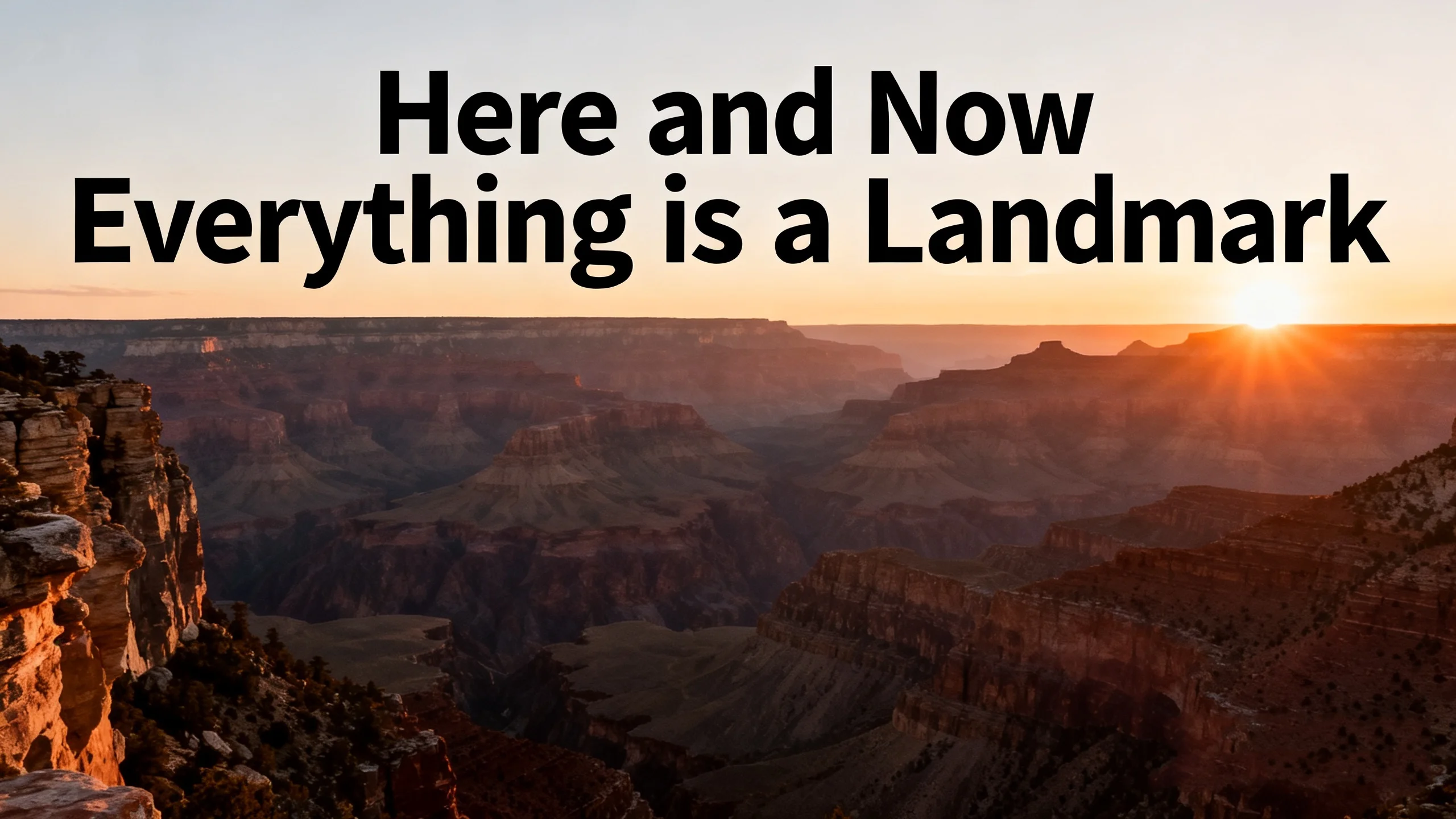
But after an hour, your brain begins an automatic noise reduction. It is a strange sensation, as if you finally found the physical kill-switch amidst the digital cacophony and pressed it with conviction. Your senses become hyper-acute. You hear the hiss of tires on asphalt; you hear the rhythmic staccato of fine rain on the windshield. In modern society, this "non-functional" waste of time is almost a sin. But here and now, this waste is the only reality you own. Here, landmarks are no longer destinations; the landmark is every undisturbed breath you take.
03 Solitude Redefined: Geological Solace
Many fear the loneliness of travel, but here I found a comfort I call "geological solitude." One night, I stayed in a solitary cabin near Vík. Outside, the waves roared against the famous black sand beach. I didn’t feel lonely; instead, I felt a total release.
In such an environment, you no longer need the "gaze of the other" to confirm your coordinates. There is no social media feedback, no workplace evaluation, no digitized self. You are simply a soul observing wind speeds in the dark, an observer sitting opposite ten-thousand-year-old reefs. We are anxious because we cram ourselves into containers that are too small—containers called social circles, KPIs, and expectations. The wilderness gives you an infinite scale, allowing those anxieties to become as light as a feather for lack of a reference point.
The Hard Truth: Finding Grandeur in Indifference
I brought back no life-changing epiphanies from Iceland. The cliché of "cleansing the soul" feels cheap here. But I did bring back a habit. Whenever I return to the world locked in schedules and bombarded by notifications, I only need to close my eyes to remember the wind on that black beach and that cold palette where life itself disdains to linger.
In an age where every place must be "anthropomorphized" and "commercialized," Iceland stands as a cold reminder: the world is meant to be this indifferent. This coldness bears no malice; it is an objectivity entirely stripped of human emotion. And this objectivity is precisely the greatest tenderness the Earth offers us—it allows you to stop performing, allows you to acknowledge your own insignificance, and lets you recalibrate the pulse of your life in the absolute stillness.The existence of certain places serves only to remind us of how absurd our desire to possess this world truly is.
Standing on an unnamed black sand beach in Eastern Iceland, I find the North Atlantic in a state of nearly angry calm. The colors here are precisely diluted—the charcoal sky, the obsidian grit, and that cold, deathly blue of glacial melt. There are no details here to offer you a sense of "belonging." No warm evening breeze, no communal pleasantries. There is only the wind—a primal, raw gale capable of shattering your very thoughts into fragments.
01 The Gaze of Non-Human Scales
In London or New York, the scale of our lives is measured in minutes and city blocks. In the Icelandic wilderness, this scale utterly collapses. When you confront the wreckage of a ten-thousand-year-old glacier, slowly migrating across the land, you cease to feel your existence as a "biological entity." Instead, you become a mere speck of dust accidentally stumbling onto a geological crime scene.
The icebergs floating in Jökulsárlón shimmer with a translucent brilliance under the sun, slowly melting, colliding, and fracturing. This agonizingly slow decay possesses a certain divinity. It forces you to realize that the Earth does not require our praise, nor does it even require our observation. It simply exists, breathing at its own frequency. We are accustomed to being the protagonists of the world, but in Iceland, you are a fleeting bystander in a geological epoch. This "liberation through insignificance" is a luxury that modern civilization cannot provide.
02 Minimalist Silence and Digital Noise Reduction
I tried turning off the radio during a four-hour drive. Driving along the Ring Road is a deep addiction to "nothingness." The view outside is relentlessly restrained—monotonous moss fields, silent dormant volcanoes in the distance, and the occasional sheep with its head bowed against the wind. This highly repetitive visual landscape initially triggers panic in those of us accustomed to a constant "information flow." You reflexively search for road signs, for a signal, for any thread that proves you are still tethered to human civilization.
But after an hour, your brain begins an automatic noise reduction. It is a strange sensation, as if you finally found the physical kill-switch amidst the digital cacophony and pressed it with conviction. Your senses become hyper-acute. You hear the hiss of tires on asphalt; you hear the rhythmic staccato of fine rain on the windshield. In modern society, this "non-functional" waste of time is almost a sin. But here and now, this waste is the only reality you own. Here, landmarks are no longer destinations; the landmark is every undisturbed breath you take.
03 Solitude Redefined: Geological Solace
Many fear the loneliness of travel, but here I found a comfort I call "geological solitude." One night, I stayed in a solitary cabin near Vík. Outside, the waves roared against the famous black sand beach. I didn’t feel lonely; instead, I felt a total release.
In such an environment, you no longer need the "gaze of the other" to confirm your coordinates. There is no social media feedback, no workplace evaluation, no digitized self. You are simply a soul observing wind speeds in the dark, an observer sitting opposite ten-thousand-year-old reefs. We are anxious because we cram ourselves into containers that are too small—containers called social circles, KPIs, and expectations. The wilderness gives you an infinite scale, allowing those anxieties to become as light as a feather for lack of a reference point.
The Hard Truth: Finding Grandeur in Indifference
I brought back no life-changing epiphanies from Iceland. The cliché of "cleansing the soul" feels cheap here. But I did bring back a habit. Whenever I return to the world locked in schedules and bombarded by notifications, I only need to close my eyes to remember the wind on that black beach and that cold palette where life itself disdains to linger.
In an age where every place must be "anthropomorphized" and "commercialized," Iceland stands as a cold reminder: the world is meant to be this indifferent. This coldness bears no malice; it is an objectivity entirely stripped of human emotion. And this objectivity is precisely the greatest tenderness the Earth offers us—it allows you to stop performing, allows you to acknowledge your own insignificance, and lets you recalibrate the pulse of your life in the absolute stillness.
Transparency Disclosure: Content here is for informational guidance. This publication maintains editorial independence, though some links may generate affiliate revenue. For copyright inquiries or content removal, please reach out to our desk.